

22 Jul Storm Damage Restoration In Lakeland TN
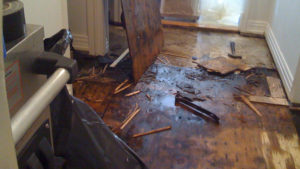 Living in Lakeland, Tennessee, offers residents the charm of a close-knit community and the beauty of the Mid-South’s natural surroundings. However, the region’s climate also brings occasional severe weather, including thunderstorms, high winds, and even tornadoes. When storms strike, the aftermath can be overwhelming—damaged roofs, flooded basements, fallen trees, and compromised structures are common challenges. Understanding the process and importance of storm damage restoration is crucial for homeowners and business owners alike to protect their properties and ensure safety.
Understanding the Impact of Storm Damage in Lakeland
Lakeland’s geographical location places it within reach of various weather systems that can cause significant storm damage. According to the National Oceanic and Atmospheric Administration (NOAA), Tennessee experiences an average of 50 tornadoes per year, and while Lakeland may not be in the direct path of every storm, the risk remains substantial. Beyond tornadoes, heavy rains and windstorms can cause flooding and structural damage that require immediate attention. The unique topography of the area, with its rolling hills and proximity to lakes, can exacerbate flooding conditions, making it crucial for residents to stay informed about weather forecasts and emergency preparedness.
Storm damage can manifest in many ways—from minor cosmetic issues to severe structural problems. Roof shingles can be torn off by high winds, gutters and siding can be ripped away, and water intrusion can lead to mold growth and wood rot. Additionally, fallen trees and debris pose safety hazards and can cause further damage if not promptly removed. The aftermath of a storm often leaves homeowners grappling with not only physical repairs but also emotional stress as they navigate insurance claims and restoration processes. Understanding the full scope of potential damage can empower residents to take proactive measures, such as reinforcing their roofs or investing in flood barriers, to mitigate risks.
Common Types of Storm Damage in Lakeland
Homeowners in Lakeland should be aware of the most frequent types of storm damage to better prepare and respond:
- Roof Damage: Missing shingles, leaks, or structural weakening caused by wind, hail, or falling branches.
- Water Damage: Flooding from heavy rains or backed-up drainage systems leading to basement or interior water intrusion.
- Tree and Debris Damage: Uprooted or broken trees that damage roofs, fences, or vehicles.
- Exterior Damage: Broken windows, damaged siding, and compromised gutters and downspouts.
In addition to these common issues, residents should also consider the long-term effects of storm damage. For instance, even minor leaks can lead to significant mold problems if not addressed quickly, which can impact indoor air quality and pose health risks. Furthermore, the presence of storm debris can attract pests, leading to infestations that complicate recovery efforts. It is essential for homeowners to conduct regular inspections of their properties, especially after severe weather events, to identify and address potential vulnerabilities before they escalate into more serious problems.
Moreover, the community response to storm damage plays a vital role in recovery. Local organizations often mobilize to assist affected residents, providing resources for cleanup and repair. Neighborhood watch groups may coordinate efforts to help those who are elderly or disabled, ensuring that everyone has the support they need. This sense of community can significantly ease the burden of recovery, as residents come together to share tools, skills, and emotional support during challenging times. Understanding the broader impact of storm damage not only helps individuals prepare but also fosters a resilient community ready to face the challenges posed by nature.
The Importance of Prompt Storm Damage Restoration
Time is of the essence when dealing with storm damage. Delaying repairs not only increases the risk of further deterioration but can also jeopardize the safety of occupants. Prompt restoration helps to mitigate secondary damage such as mold growth, wood rot, and electrical hazards, which can escalate repair costs significantly.
Professional storm damage restoration services offer comprehensive solutions that include damage assessment, debris removal, water extraction, structural repairs, and mold remediation. These experts understand the nuances of insurance claims and can assist homeowners in navigating the often-complex process of filing claims, ensuring that repairs are covered appropriately.
Health and Safety Considerations
Storm damage can create unsafe living conditions. Water intrusion can lead to mold spores that affect indoor air quality and cause respiratory issues. Structural damage can make buildings unstable, increasing the risk of collapse or injury. Electrical systems compromised by water pose fire and electrocution hazards. Restoration professionals prioritize safety by conducting thorough inspections and addressing all hazards before beginning repairs.
Steps Involved in Professional Storm Damage Restoration
Understanding the restoration process can help property owners feel more confident when hiring professionals. The typical storm damage restoration follows these key steps:
1. Initial Inspection and Damage Assessment
Restoration experts begin with a detailed inspection to evaluate the extent of damage. This includes checking the roof, walls, foundation, and interior spaces for water intrusion or structural compromise. Photographic documentation is often taken to support insurance claims.
2. Emergency Mitigation
To prevent further damage, immediate actions such as tarping damaged roofs, boarding up broken windows, and extracting standing water are taken. This phase stabilizes the property and protects it from additional weather exposure.
3. Water Removal and Drying
If flooding has occurred, specialized equipment like industrial-grade pumps and dehumidifiers are used to remove water and dry affected areas thoroughly. This step is critical to prevent mold growth and structural weakening.
4. Cleaning and Sanitizing
Storms often bring contaminants into the home. Restoration includes cleaning debris, sanitizing surfaces, and treating areas susceptible to mold and bacteria. This ensures a safe and healthy environment post-restoration.
5. Repairs and Reconstruction
Finally, damaged structures are repaired or rebuilt. This can range from replacing shingles and siding to major structural repairs. Skilled contractors ensure that repairs meet local building codes and standards.
Choosing the Right Storm Damage Restoration Company in Lakeland
Selecting a reputable restoration company is essential to achieving quality results and peace of mind. Homeowners should look for companies with proven experience in storm damage restoration, positive customer reviews, and proper licensing and insurance.
Many Lakeland restoration companies offer 24/7 emergency services, recognizing that storm damage can occur at any time and requires immediate response. Additionally, companies that provide assistance with insurance claims can help streamline the process, reducing stress for property owners.
Questions to Ask Potential Restoration Providers
- Are you licensed and insured to operate in Tennessee?
- Do you offer emergency response services?
- Can you provide references or testimonials from previous clients?
- Do you assist with insurance claims and documentation?
- What is your estimated timeline for completing restoration?
Preventative Measures to Minimize Storm Damage
While it’s impossible to control the weather, property owners can take steps to reduce the risk and impact of storm damage. Regular maintenance and preparedness can save significant time and money in the event of a storm.
Roof and Gutter Maintenance
Ensuring the roof is in good condition with secure shingles and flashing can prevent leaks during heavy rains and winds. Cleaning gutters and downspouts regularly helps to avoid water backup and foundation flooding.
Tree Trimming and Landscape Management
Removing dead or overhanging branches reduces the risk of trees falling on the home during storms. Proper landscaping can also improve drainage around the property.
Installing Storm-Resistant Features
Consider impact-resistant windows, reinforced garage doors, and storm shutters to protect against wind and debris. These upgrades can significantly reduce damage during severe weather.
Emergency Preparedness Plan
Having a plan in place for evacuation, securing valuables, and emergency contacts can make a critical difference during storm events. Keeping important documents and insurance policies accessible is also recommended.
Conclusion
Storm damage restoration in Lakeland, TN, is a vital service that helps residents recover from the unpredictable forces of nature. By understanding the types of damage common to the area, the importance of timely restoration, and the steps involved in professional repair, property owners can better protect their homes and businesses. Choosing a qualified restoration company and taking preventative measures can minimize the impact of storms and ensure a safer, more resilient community.
When the unpredictable strikes, and you find yourself in need of storm damage restoration, look no further than GFK Construction & Restoration. Our commitment to quality workmanship, integrity, and timely service ensures that your home or business is in capable hands. With our 24/7 emergency response, we’re always ready to address your needs swiftly, minimizing damage and restoring safety. At GFK, we don’t just repair; we advocate for you with insurance companies and maintain constant communication throughout the process. Trust in our hands-on management team to guide you through every decision with honesty and care. Whether it’s elusive water damage or a compromised roof, our certified technicians and skilled contractors are equipped to handle all aspects of restoration. Don’t let storm damage set you back. Contact Us Today and let GFK Construction help you move past this unfortunate event with confidence and peace of mind.
Sorry, the comment form is closed at this time.