
22 Jul Storm Damage Restoration In Arlington TN
 Arlington, Tennessee, is no stranger to severe weather events, including thunderstorms, tornadoes, and heavy winds that can cause significant damage to homes and businesses. When a storm strikes, the aftermath can be overwhelming, leaving property owners facing urgent restoration needs. Understanding the process of storm damage restoration and knowing where to turn for reliable services is crucial to minimizing loss and ensuring safety.
Understanding the Impact of Storm Damage in Arlington
Storm damage can vary widely, from minor roof leaks to major structural failures. In Arlington, the combination of seasonal storms and occasional tornado activity means residents must be prepared for a range of potential damages. According to the National Weather Service, Tennessee experiences an average of 26 tornadoes annually, many of which can cause severe property damage in affected areas. The unpredictability of these storms often leaves homeowners scrambling to assess the damage and begin repairs, which can be a daunting task.
Common types of storm damage in Arlington include:
- Roof damage: Missing shingles, punctures, or complete roof failure.
- Water intrusion: Leaks leading to interior water damage and mold growth.
- Structural damage: Broken windows, damaged siding, and compromised walls.
- Debris impact: Fallen trees, branches, and flying debris causing physical destruction.
Recognizing the extent of damage early is essential. Delays in addressing storm damage can exacerbate problems, leading to increased repair costs and potential health hazards like mold. Furthermore, the emotional toll of dealing with storm damage can be significant. Homeowners may experience stress and anxiety as they navigate insurance claims, contractor negotiations, and the overwhelming task of restoring their homes. Community support can play a crucial role during these challenging times, as neighbors often come together to lend a helping hand, share resources, and provide emotional support.
Additionally, the long-term effects of storm damage can extend beyond immediate repairs. Properties that have suffered significant damage may see a decrease in market value, impacting homeowners’ investments. It is vital for residents to not only focus on the repairs but also consider preventive measures for the future. Investing in storm-resistant materials and proper landscaping can mitigate the risks posed by severe weather, ensuring that homes remain safe and secure in the face of nature’s unpredictability. Regular maintenance checks and updates to home insurance policies can also provide peace of mind, allowing residents to feel more prepared for whatever storms may come their way.
The Storm Damage Restoration Process
Initial Assessment and Safety Measures
After a storm, the first step in restoration is a thorough assessment of the property. Professionals inspect the roof, foundation, walls, and interior spaces to identify visible and hidden damage. Safety is paramount during this stage; unstable structures or electrical hazards must be addressed immediately to prevent injury.
Homeowners should avoid entering severely damaged buildings until they have been deemed safe by experts. Additionally, documenting damage through photos and videos can be helpful for insurance claims. This documentation not only serves as evidence for claims but can also assist restoration professionals in understanding the extent of the damage, allowing them to devise a more effective restoration plan. It’s also advisable for homeowners to keep a detailed record of any communication with insurance agents, as this can streamline the claims process and ensure that all necessary information is readily available when needed.
Water Extraction and Drying
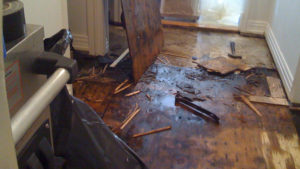
Water intrusion is a common consequence of storms, often leading to significant secondary damage if not promptly managed. Restoration specialists use advanced equipment such as industrial-grade dehumidifiers and air movers to extract water and dry affected areas efficiently.
This phase is critical to preventing mold growth, which can begin within 24 to 48 hours after water exposure. Mold not only damages building materials but also poses health risks, particularly for individuals with respiratory issues. In addition to using dehumidifiers, restoration teams may employ moisture meters to accurately measure the humidity levels in various materials, ensuring that everything is thoroughly dried. This attention to detail is essential, as even a small amount of residual moisture can lead to long-term problems, including structural damage and persistent odors.
Structural Repairs and Restoration
Once the property is dry and safe, restoration teams begin repairs. This can include replacing damaged roofing, siding, windows, and drywall, as well as addressing any electrical or plumbing issues caused by the storm. Skilled contractors ensure that repairs meet local building codes and standards, restoring the property to its pre-storm condition or better. During this phase, homeowners may also consider upgrading certain features, such as installing impact-resistant windows or reinforced roofing materials, which can enhance the property’s resilience against future storms.
Final Inspection and Customer Satisfaction
After all repairs are complete, a final inspection ensures that the property is safe, functional, and aesthetically restored. Many restoration companies offer warranties or guarantees on their work, providing peace of mind to property owners. Clear communication throughout the process helps manage expectations and ensures customer satisfaction. Additionally, some restoration companies may provide follow-up services, including maintenance checks or advice on how to prepare for future storms, which can be invaluable for homeowners looking to safeguard their property in the long run. This proactive approach not only reinforces the relationship between the restoration team and the homeowner but also empowers the latter with knowledge and resources to better protect their home in the future.
Choosing a Storm Damage Restoration Company in Arlington
Selecting the right restoration company can make a significant difference in the recovery process. Homeowners should look for companies with the following attributes:
- Local expertise: Knowledge of Arlington’s weather patterns and building codes.
- 24/7 availability: Storm damage often requires immediate response.
- Certified professionals: IICRC (Institute of Inspection Cleaning and Restoration Certification) credentials and proper licensing.
- Comprehensive services: From water extraction to structural repairs and mold remediation.
- Insurance assistance: Help with claims to ease the financial burden.
Reading reviews and asking for references can also provide insight into a company’s reliability and quality of work.
Preventive Measures to Minimize Storm Damage
While not all storm damage can be prevented, taking proactive steps can reduce the risk and severity of damage. Homeowners in Arlington can consider the following measures:
- Regular roof maintenance: Inspect and repair shingles, flashing, and gutters to prevent leaks.
- Tree trimming: Remove dead or overhanging branches that could fall during storms.
- Storm shutters and impact-resistant windows: Protect windows from flying debris.
- Secure outdoor items: Anchor or store patio furniture, grills, and other objects that could become projectiles.
- Emergency preparedness: Have a storm kit and evacuation plan ready.
Investing in these preventive actions not only safeguards property but can also lower insurance premiums.
Insurance and Storm Damage Restoration
Dealing with insurance after storm damage can be complex. It is important to understand your policy coverage and work closely with your insurance provider. Most homeowners insurance policies cover storm-related damages, but coverage limits and deductibles vary.
Restoration companies experienced in insurance claims can assist by providing detailed damage assessments and documentation required for filing claims. Prompt reporting and thorough documentation improve the chances of a successful claim and quicker restoration.
Conclusion
Storm damage restoration in Arlington, TN, requires prompt action, professional expertise, and a clear understanding of the restoration process. By choosing a reputable restoration company, taking preventive measures, and working effectively with insurance providers, property owners can recover more quickly and protect their investments against future storms.
Being prepared and informed is the best defense against the unpredictable nature of severe weather. When storms strike Arlington, timely and professional restoration services are essential to restoring safety, comfort, and value to affected properties.
If you’re in Arlington, TN, and facing the aftermath of a storm, don’t navigate the restoration process alone. GFK Construction & Restoration is here to help you every step of the way. With our 24/7 emergency response, trusted reputation for quality and safe construction, and a commitment to honesty and timely service, we’ll ensure your home or business is restored to its pre-storm condition. Our hands-on management team will advocate for you with insurance companies and keep you informed throughout the process. Whether it’s elusive water damage, roof repairs, or a full restoration project, GFK Construction is dedicated to serving you with integrity and high-quality workmanship. Contact Us Today and let us care for what’s overhead and everything underneath.
Sorry, the comment form is closed at this time.