
22 Jul Storm Damage Restoration In Atoka TN
 Atoka, Tennessee, nestled in the heart of Tipton County, experiences its fair share of severe weather each year. From powerful thunderstorms to occasional tornadoes, the community is no stranger to the challenges that come with storm damage. When the skies clear and the aftermath becomes apparent, effective storm damage restoration is crucial to protect homes, businesses, and the wellbeing of residents.
This article explores the essential aspects of storm damage restoration in Atoka, TN, providing homeowners and business owners with a comprehensive understanding of the process, the importance of timely action, and how to choose the right restoration services.
Understanding Storm Damage in Atoka
Storm damage can manifest in numerous ways, depending on the type and severity of the weather event. In Atoka, common storm-related damages include roof damage from hail or high winds, flooding from heavy rain, fallen trees and debris, and structural damage caused by tornadoes or microbursts. Each of these elements can lead to significant repair costs and prolonged recovery times for affected residents.
According to the National Oceanic and Atmospheric Administration (NOAA), Tennessee averages around 50 days of thunderstorm activity annually, with a significant portion occurring during the spring and summer months. These storms can bring intense wind gusts exceeding 60 mph, hail, and heavy rainfall, all of which contribute to property damage. The unpredictability of these storms makes it crucial for homeowners to stay informed about weather forecasts and to have emergency preparedness plans in place.
Flooding is another major concern in Atoka, especially given the town’s proximity to waterways like the Wolf River. Flash floods can cause extensive water damage to basements, foundations, and ground-level structures, leading to mold growth and long-term structural issues if not addressed promptly. Additionally, the aftermath of flooding can disrupt local ecosystems, affecting wildlife habitats and water quality in nearby rivers and streams.
Types of Storm Damage Common in Atoka
Roof Damage: Shingles can be torn off or cracked by hail and wind, exposing the underlying structure to water intrusion. This not only compromises the integrity of the roof but can also lead to costly repairs if water seeps into the home’s interior, damaging walls, ceilings, and personal belongings.
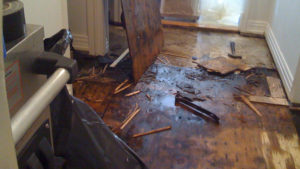
Water Intrusion and Flooding: Heavy rains may overwhelm drainage systems, causing water to seep into homes and businesses. The impact of such flooding can be devastating, often requiring extensive remediation efforts to remove water, dry out affected areas, and prevent mold growth. Homeowners are encouraged to invest in sump pumps and flood barriers to mitigate potential damage.
Tree and Debris Impact: Fallen trees can puncture roofs, damage siding, and block access to properties. The risk of falling trees is particularly high during severe storms, as saturated soil can weaken root systems. Homeowners should regularly assess the health of trees on their property and consider professional evaluations to identify any that may pose a risk during storm events. Additionally, clearing debris from yards and driveways after a storm is essential for safety and to facilitate recovery efforts.
The Importance of Prompt Storm Damage Restoration
After a storm, the window for effective restoration is often narrow. Acting quickly can prevent minor damage from escalating into costly repairs. For example, a small roof leak left unattended can lead to extensive water damage, mold growth, and compromised structural integrity.
Insurance companies typically require documentation of damage within a specific timeframe, making immediate assessment and reporting critical. Additionally, professional restoration services can help expedite claims by providing detailed damage evaluations and repair estimates.
Health and Safety Considerations
Storm damage often creates hazardous conditions, such as exposed electrical wiring, contaminated floodwaters, and weakened structures. Professional restoration teams are trained to handle these risks safely, ensuring that residents and workers are protected throughout the repair process.
Moreover, water damage can lead to mold infestations, which pose serious health risks including respiratory issues and allergic reactions. Timely remediation reduces these risks significantly.
Key Steps in the Storm Damage Restoration Process
Storm damage restoration is a multi-phase process that requires expertise, specialized equipment, and careful coordination. Understanding these steps can help property owners set realistic expectations and collaborate effectively with restoration professionals.
1. Initial Assessment and Inspection
The first step involves a thorough inspection of the property to identify all areas affected by the storm. This includes checking the roof, exterior walls, windows, foundation, and interior spaces for signs of damage.
Restoration experts use moisture meters, thermal imaging cameras, and other diagnostic tools to detect hidden water intrusion and structural weaknesses.
2. Emergency Mitigation
To prevent further damage, emergency measures are often necessary. This might include tarping damaged roofs, boarding up broken windows, and extracting standing water.
These actions stabilize the property and protect it from additional harm caused by weather exposure or vandalism.
3. Water Removal and Drying
Floodwaters and leaks must be removed promptly using pumps, wet vacuums, and dehumidifiers. Thorough drying is essential to prevent mold growth and deterioration of building materials.
Special attention is given to hidden cavities, such as wall cavities and crawl spaces, where moisture can linger.
4. Cleaning and Sanitization
Storm damage often brings contaminants like sewage, chemicals, and debris into the property. Professional cleaning and sanitization ensure that all affected areas are safe and hygienic.
This step is particularly important for flood damage, where bacteria and pathogens can pose serious health risks.
5. Structural Repairs and Restoration
Once the property is dry and clean, repair work begins. This can range from replacing damaged drywall and flooring to major structural reconstruction.
Restoration companies work closely with insurance adjusters to ensure repairs meet policy requirements and local building codes.
Choosing the Right Storm Damage Restoration Service in Atoka
Not all restoration companies offer the same level of expertise or responsiveness. Selecting a reputable service provider can make a significant difference in the quality and speed of recovery.
What to Look For
Local Experience: Companies familiar with Atoka’s climate and common storm damage types are better equipped to handle specific challenges.
Certifications and Training: Look for certifications from organizations like the Institute of Inspection, Cleaning and Restoration Certification (IICRC), which indicate adherence to industry standards.
24/7 Availability: Storm damage can occur at any time, so emergency response capability is crucial.
Comprehensive Services: Choose a company that offers all phases of restoration, from water extraction to reconstruction, to streamline the process.
Questions to Ask Potential Providers
Before hiring a restoration company, consider asking:
- How quickly can you respond to an emergency call?
- What is your experience with insurance claims assistance?
- Can you provide references from previous clients in Atoka?
- What equipment and technology do you use for damage assessment and repair?
Preventive Measures to Minimize Storm Damage
While restoration is essential after damage occurs, taking proactive steps can reduce the severity of storm impact on your property.
Roof Maintenance and Upgrades
Regular roof inspections and maintenance help identify vulnerabilities before storms strike. Upgrading to impact-resistant shingles or metal roofing can provide enhanced protection against hail and wind.
Landscaping and Tree Care
Trimming trees and removing dead branches reduce the risk of falling limbs during storms. Proper grading and drainage around the property also help prevent flooding.
Installing Storm-Resistant Features
Storm shutters, reinforced garage doors, and impact-resistant windows can safeguard your home during severe weather events.
Conclusion
Storm damage restoration in Atoka, TN, is a critical service that helps residents and businesses recover quickly and safely from the unpredictable forces of nature. Understanding the types of damage common in the area, the importance of prompt action, and the restoration process empowers property owners to make informed decisions during stressful times.
Partnering with a trusted, experienced restoration company ensures that repairs are thorough, compliant with insurance requirements, and designed to restore your property to its pre-storm condition. Additionally, investing in preventive measures can mitigate future risks and provide peace of mind when the next storm approaches.
With the right knowledge and professional support, Atoka residents can face storm season with confidence, knowing that recovery is within reach.
If you’re facing the aftermath of a storm in Atoka, TN, and need reliable restoration services, look no further than GFK Construction & Restoration. Our commitment to quality workmanship, integrity, and timely service means we’re here for you 24/7, ready to respond to your emergency needs. With our hands-on management team and constant communication, we’ll help you navigate the restoration process, advocate for you with insurance companies, and ensure your property is restored to its pre-storm condition. Whether it’s elusive water damage or a damaged roof, our certified technicians and skilled professionals are equipped to handle all aspects of storm damage restoration. Contact Us Today and let GFK Construction care for your home or business with the dedication and expertise you deserve.
Sorry, the comment form is closed at this time.